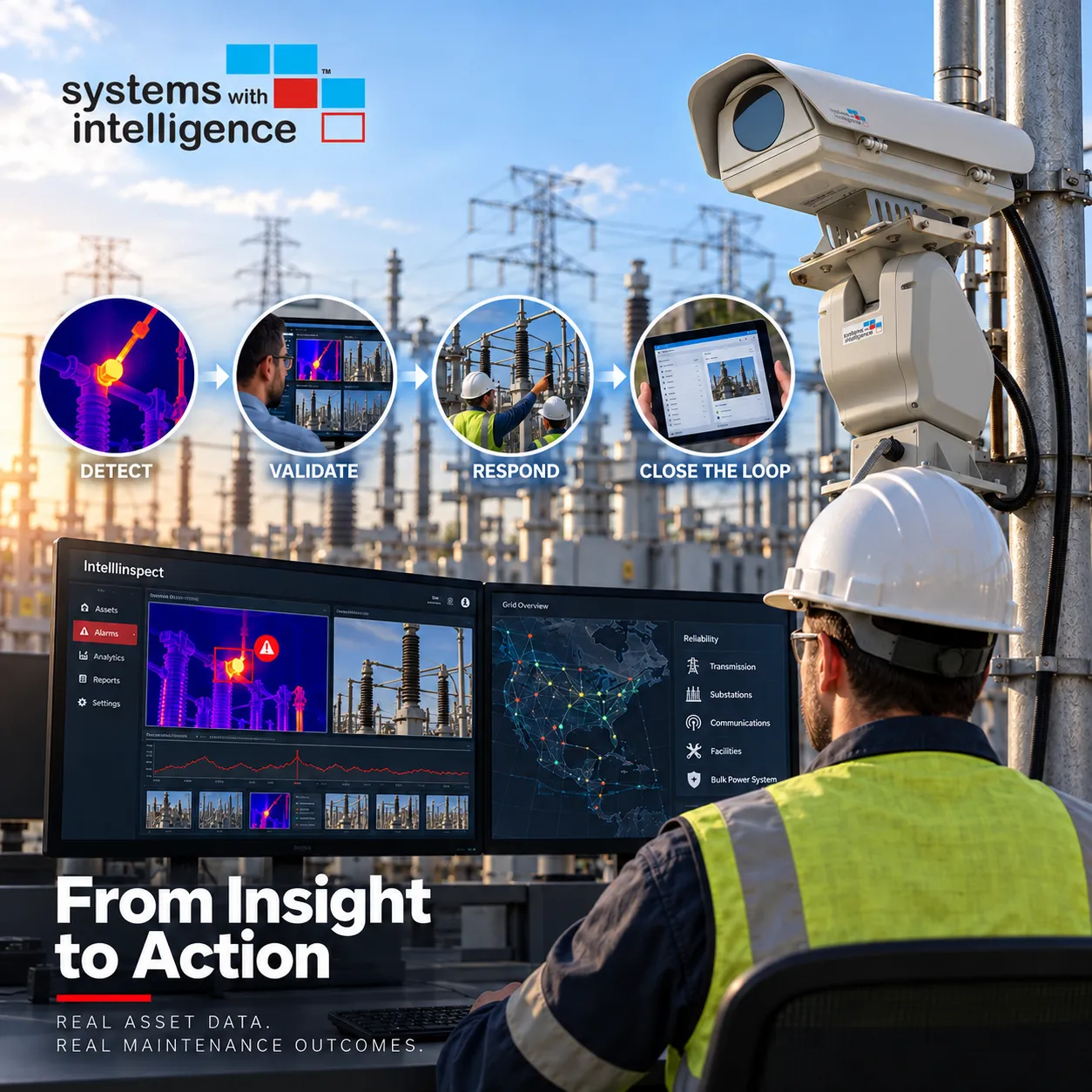
Designing a Maintenance Workflow Around Real-Time Asset Data
Real-time monitoring can identify an abnormal condition on a substation asset within minutes. However, the maintenance value starts with what happens next based on how…


Real-time monitoring can identify an abnormal condition on a substation asset within minutes. However, the maintenance value starts with what happens next based on how…

Continuous flare-stack monitoring gives operations teams a constant view of flame, pilot and smoke conditions that can be difficult to assess consistently through routine observation…
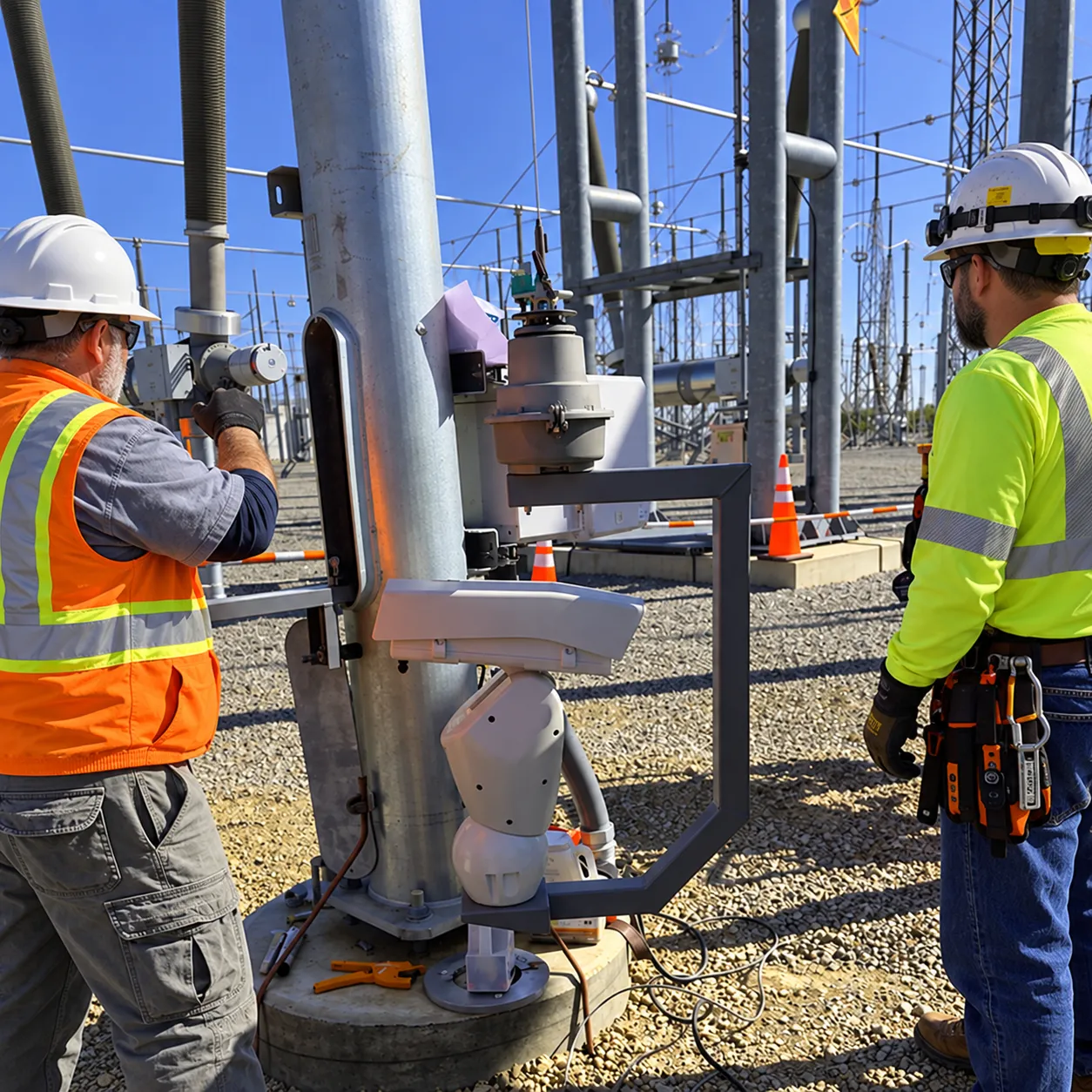
Utilities typically introduce continuous monitoring through a limited pilot at one substation or across a defined group of assets. The pilot evaluates the technology in…
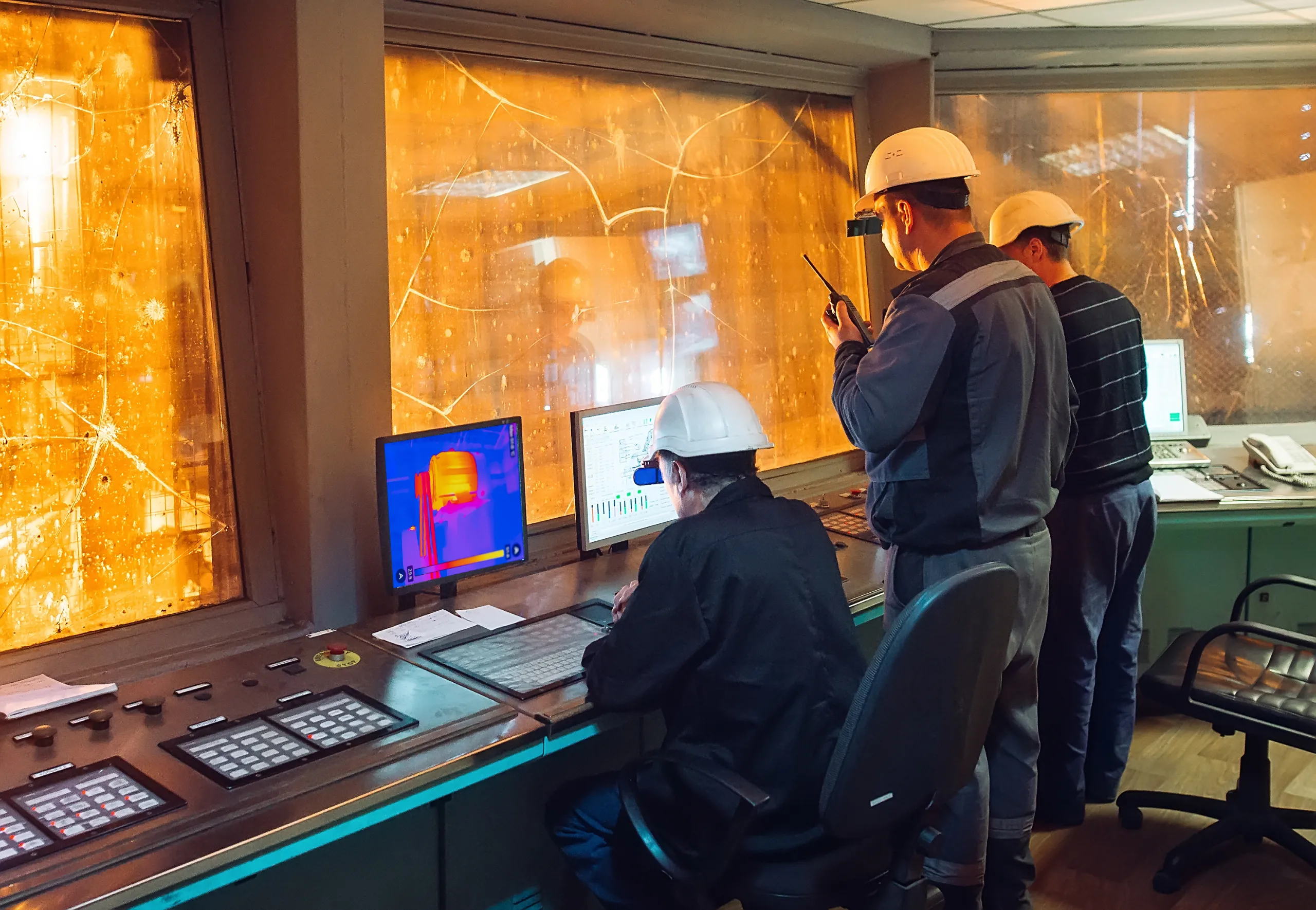
Steelmakers already understand the operational demands of ladles and electric arc furnaces, as well as the consequences of missing early signs of refractory degradation or…
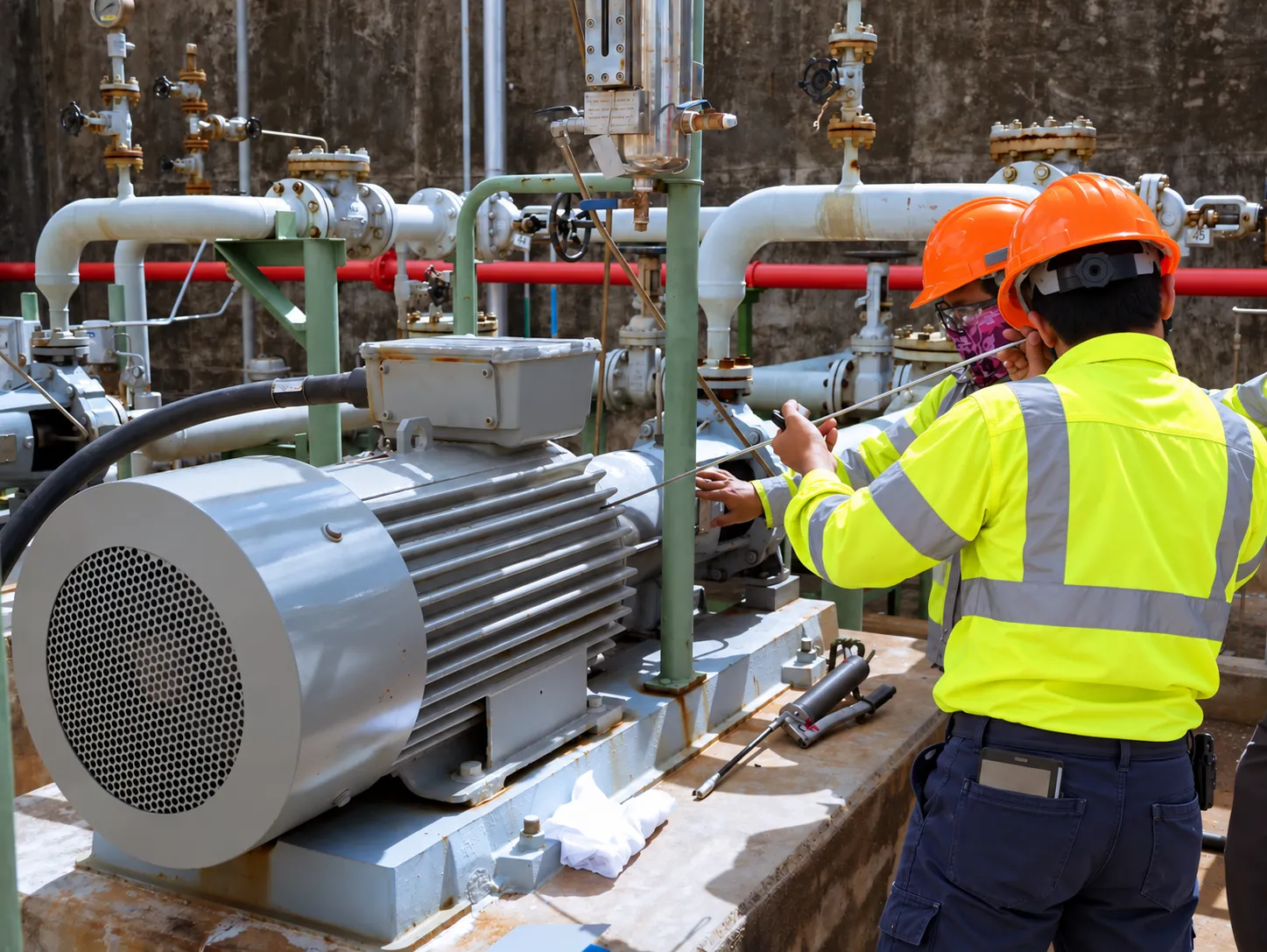
The biggest change continuous vibration monitoring makes to a maintenance organization is that it changes how people spend their time. A traditional route-based program sends…
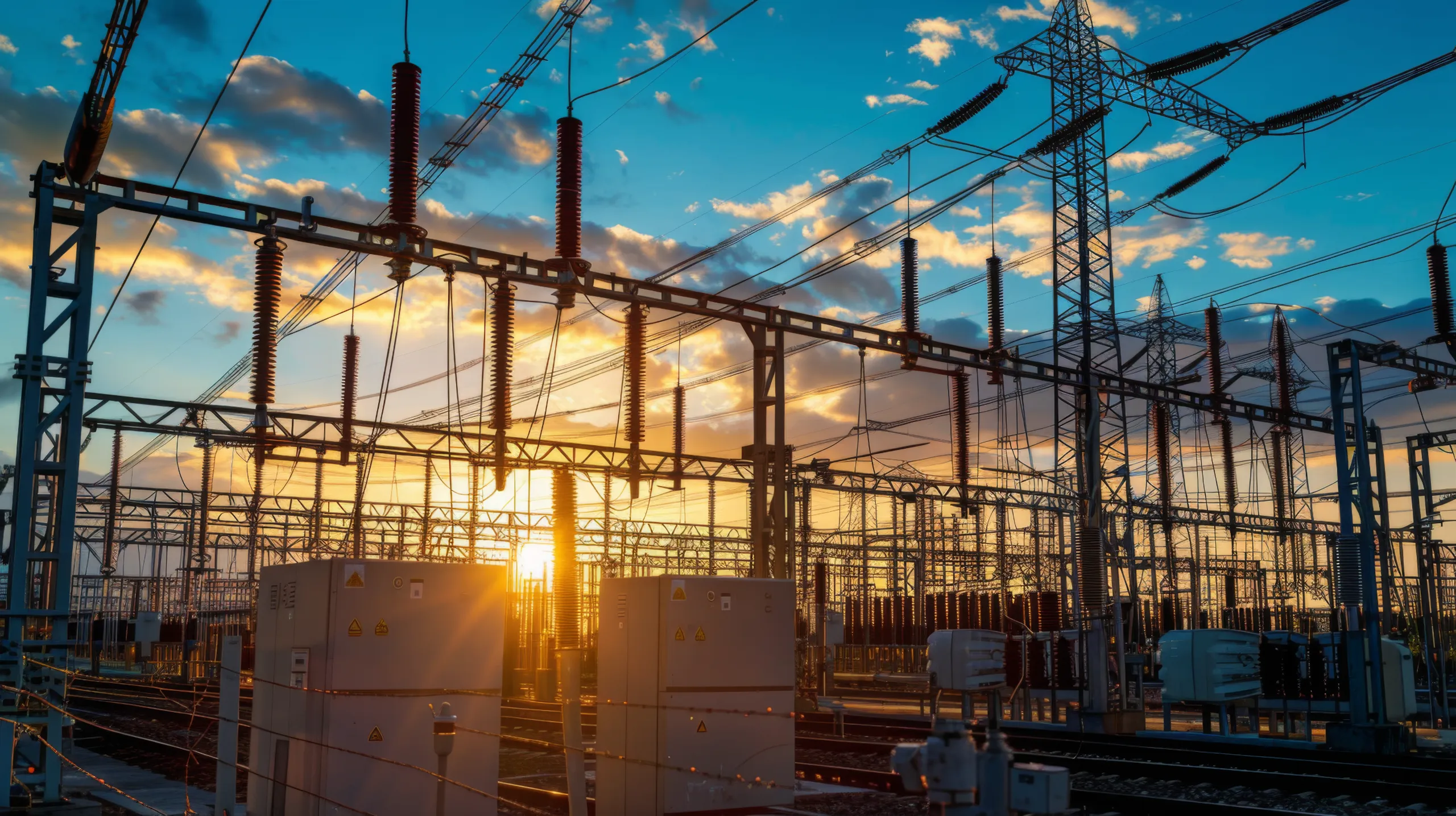
Artificial intelligence has arrived in the utility inspection space with considerable fanfare. Vendors promise automated fault detection, predictive maintenance, and continuous monitoring that will fundamentally…
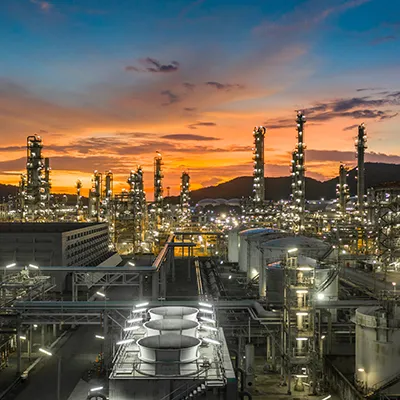
Critical vessels sit at the center of refinery and chemical processing operations. Because they routinely handle extreme pressure, heat, and hazardous substances, even a small…
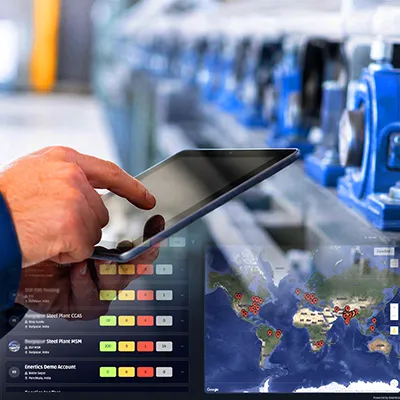
Deploying an industrial monitoring system is a milestone, not a finish line. Sensors need to stay calibrated, software needs to stay current, and operators need…
The lumber and wood processing sector is central to the forestry industry, covering the harvesting, processing, and manufacturing of wood and wood-derived products. Demand continues…

Summary Fixed cameras, drones, and ground-based robots are the three primary technologies for collecting visual inspection data at substations, and each addresses a different part…