

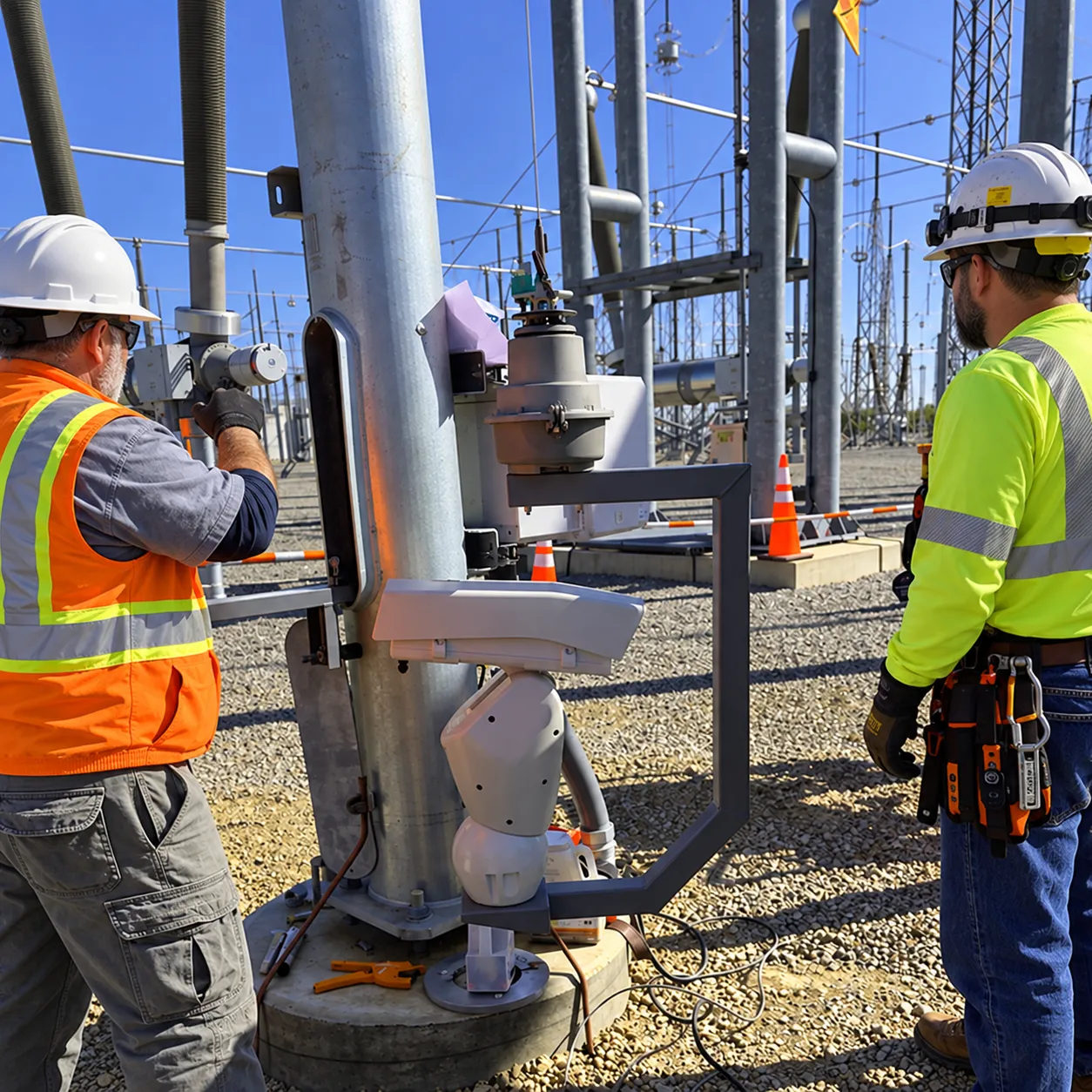
Utilities typically introduce continuous monitoring through a limited pilot at one substation or across a defined group of assets. The pilot evaluates the technology in operating conditions, tests its fit with existing workflows and informs the case for broader investment.
For utilities considering a pilot, the decision should include a view of what follows. For utilities that have completed one, those same questions determine whether the project becomes a fleet capability.
Define What the Pilot Needs to Prove
A pilot should have clear objectives before installing equipment. They may include testing monitoring performance, establishing an asset-condition baseline, evaluating integration requirements and determining how findings affect inspection and maintenance decisions.
The objectives should reflect the decisions the utility expects to make after the pilot. A technical demonstration can show that a camera or thermal sensor produces useful information. A well-designed pilot also establishes how the operating organization will review and act on it.
The utility should agree in advance on criteria for technical performance, alert quality, workflow fit, user adoption and operational value, along with the point at which the pilot will be reviewed.
Choose a Site That Informs the Fleet
The best pilot site will demonstrate a meaningful use case and provide lessons that apply to future deployments. Utilities should select it through the same risk-based discipline used for maintenance and capital planning, considering asset criticality, loading, failure history, replacement lead time, access requirements and network consequence.
The site may contain assets with known failure modes, long replacement lead times or increasing loading. It should expose the utility to operating conditions that future deployments will need to address.
The pilot should answer two questions: does continuous monitoring provide useful condition visibility in this environment, and what would the utility need to standardize, adapt or invest in before applying the approach elsewhere?
Test the Workflow Alongside the Technology
The value of detection appears when condition information changes a maintenance decision.
When a potential condition is identified, someone must assess its significance and urgency, compare it with other information and decide whether intervention is required. The finding must enter the work-management process, and the field outcome must be recorded for future assessments.
The pilot should test that sequence while the number of assets and findings remains manageable. It should identify who reviews an alert, which conditions require escalation, who authorizes field work and how the outcome is documented.
An exception should prompt a documented review. Maintenance activity should follow an assessment of the condition, its trend, the asset’s role and the consequences of failure. In a utility environment, unnecessary intervention carries cost, safety exposure and operational risk.
This workflow creates the foundation for Condition-Based Maintenance, with inspection frequency and maintenance activity reflecting asset condition and consequence alongside the calendar.
Assign Accountability and Plan Integration Early
A pilot produces a manageable amount of new information. A fleet-wide program creates a governance issue spanning operations, maintenance, asset management, engineering, IT and cybersecurity.
Operations may need immediate visibility when an abnormal condition appears. Maintenance must determine whether it warrants inspection or intervention. Asset management may incorporate the history into health assessments and replacement planning. IT and cybersecurity teams must apply requirements for access, retention, architecture and system integration.
The pilot is the right stage to assign these responsibilities and identify gaps. Utilities need agreement on operational records, alarm review, information retention, system integration, and maintenance-outcome records.
Integration becomes more consequential as the program grows. SWI’s electric-utility monitoring approach is designed to work with existing SCADA, Asset Performance Management and asset-management environments. The pilot should expose additional handoffs while they remain manageable.
Establish the Criteria for Expansion
The decision to expand should follow agreed criteria tied to the pilot’s evidence and the utility’s priorities. Criteria may include monitoring performance, alert quality, response times, user adoption, integration effort, maintenance outcomes and the quality of the condition history.
Early value often appears in earlier identification of conditions, improved inspection priorities, stronger asset history and a more disciplined basis for capital planning. Over time, that history can help direct scarce capital toward higher-risk assets.
Scale requires standardization in the decision process. A utility can establish common criteria for asset selection, finding review, work management, escalation, data governance and program measurement while allowing technical deployment to reflect local conditions.
The scorecard needs to measure decisions and outcomes. Monitored substations and installed sensors show deployment volume, but more useful measures show whether conditions are identified earlier, unnecessary inspections are declining, maintenance resources are moving toward higher-risk assets, and condition information is influencing capital planning.
From Pilot to Fleet Practice
For a utility considering a pilot, scope, site selection, workflow design, governance and success criteria should support the future investment decision. For a utility that has completed one, the next step is to determine whether the organization can use the information consistently across a broader fleet. The measure of scale is the point at which continuous monitoring becomes part of how the utility manages asset risk across the fleet.
Need to discuss a pilot program at your organization? Contact us to have a qualified system engineer share options.
Fausto Della Rovere is the Chief Technology Officer at Systems With Intelligence