

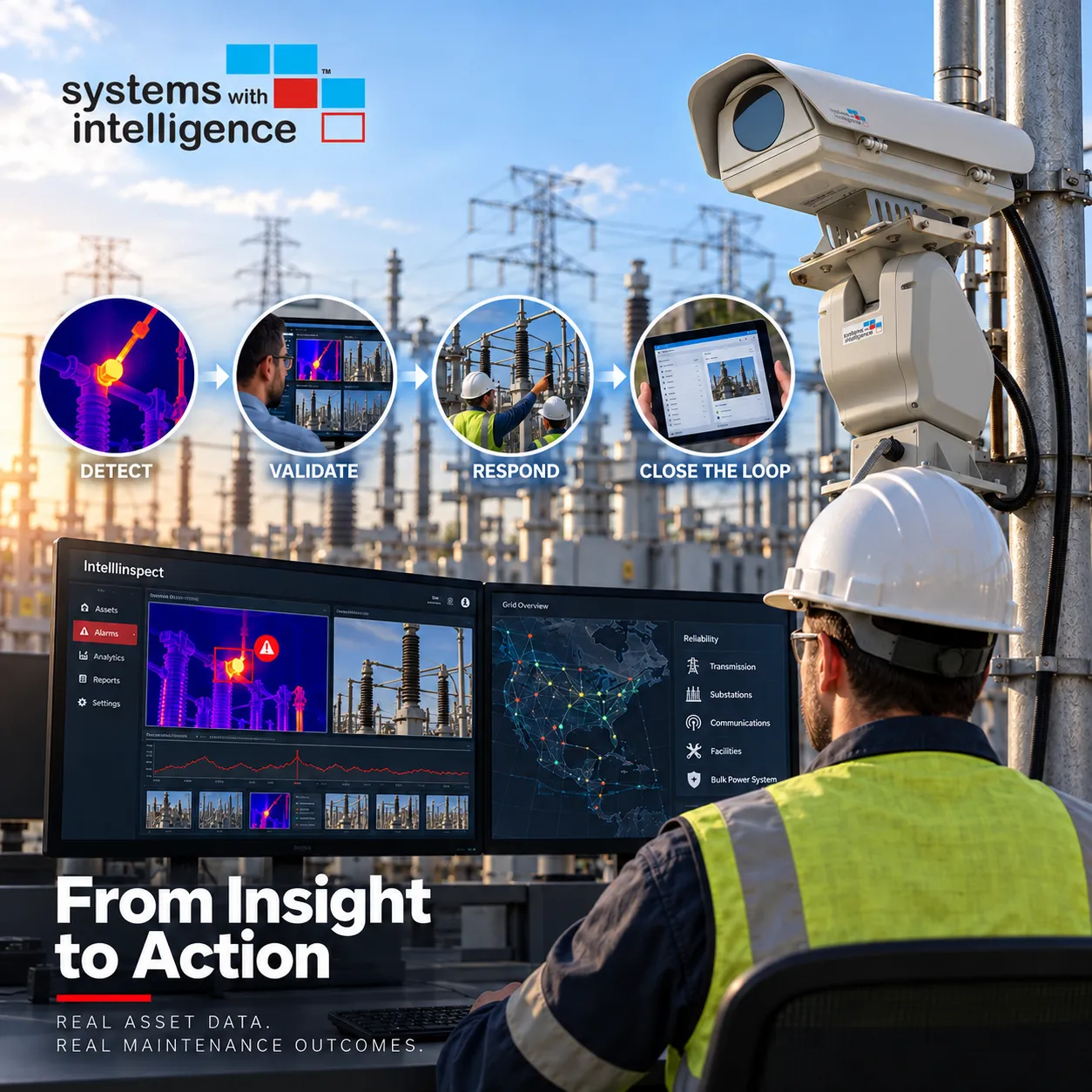
Real-time monitoring can identify an abnormal condition on a substation asset within minutes. However, the maintenance value starts with what happens next based on how the workflow has been established.
An alert must enter an operating process that determines whether the condition is credible, how serious it may be, and what action is justified. That process can involve many steps before a work order is issued, such as checking asset data, reviewing maintenance history, confirming which field personnel are available, and following any customized planning process your utility uses.
Without a defined workflow, utilities risk creating a new problem: more information arriving faster than the organization can consistently act on it. Closing that data-to-action gap requires a clear path from detection through validation, field response and documentation.
Start by Validating the Alert
A monitoring alert indicates that something has changed. The first task is to determine whether the change reflects an equipment condition.
The person reviewing the alert needs contex such as:
- What parameter changed?
- How far has it moved from the established baseline?
- Is the change persistent?
- Has another monitored parameter changed at the same time?
- Did load, weather conditions or equipment operation change during the same period?
Historical data can be particularly useful at this stage. A temperature increase that appears significant as a single measurement may have occurred under similar loading conditions before. A pattern that continues to develop over several hours or days presents a different concern.
SWI’s Touchless™ monitoring systems provide continuous thermal and visual information from electrical assets, giving utility personnel current condition data together with the history needed to evaluate how the condition is changing. The validation helps the maintenance team move from receiving an alert to understanding what the available evidence shows.
Determine the Operational Significance
Once the condition has been validated, the next question is: “How much attention does it require?”
The same abnormal temperature on two pieces of equipment may lead to very different responses. Asset criticality, load, redundancy, known equipment history and the potential consequences of failure all influence the decision. A condition on equipment carrying critical load may warrant immediate escalation. Another asset may remain safely in service while the team continues monitoring the trend and schedules an inspection.
This is where monitoring data and operational knowledge must come together. The system can identify and trend an abnormal condition, while utility personnel determine its significance within the network and current operating environment.
Decide Whether a Work Order Is Required
Once the team validates a condition, it must determine the appropriate timing and type of maintenance response.
The team may continue monitoring, request a field inspection, create a planned maintenance activity, or escalate the issue for engineering review. The appropriate response depends on the available evidence and the risk associated with allowing the condition to continue.
Define this decision point in the maintenance workflow to clarify who can initiate work, what information should accompany the request, and when additional review is required.
Real-time asset data becomes more useful when it can enter that established maintenance process with enough context to support the next decision.
The Public NERC Reliability Standards (COM-002-4) mandate exactly how alarms must be structured and communicated between control rooms and field personnel without mentioning any specific technology brand.
Use Field Verification to Add Physical Context
Some conditions require on-site verification. A field crew may inspect the equipment visually, confirm loading or operating state, take additional measurements or look for evidence that helps explain the monitored change.
Continuous monitoring gives the technician a condition history before arriving at the asset. The team may already know when the abnormal condition started, whether it is progressing and what the asset was doing at the time.
Field findings can then confirm the suspected condition, reveal another explanation or provide enough information to determine the appropriate corrective action.
Establish Clear Escalation Paths
Utilities also need predetermined escalation criteria for worsening conditions. A slowly changing thermal condition may initially remain with the maintenance team for observation. If the temperature rises faster, associated equipment behaviour changes, or the risk to service increases, responsibility may need to shift to operations, engineering, or another level of authority.
Clear escalation paths matter because deterioration does not necessarily follow routine meeting schedules or maintenance planning cycles. When real-time monitoring identifies an accelerating condition, the organization needs to know who makes the next decision and how quickly.
Close the Loop Through Documentation
The workflow should continue after the fieldwork is complete, including answering the following with as much detail as possible:
- What did the technician find?
- Did the physical condition correspond with the monitoring data?
- What corrective action was taken?
- Did the monitored parameter return to its expected range afterward?
Recording those findings in the maintenance system strengthens asset history. It also gives the organization information that can improve future alert interpretation and maintenance decisions. Over time, this feedback can make the monitoring program more valuable because condition data connects to what technicians found and what actions resolved the issue.
Real-Time Monitoring Needs a Real Maintenance Process
Substation monitoring gives utilities earlier and more continuous visibility into asset condition. The operational benefit depends on how effectively that information moves through the maintenance organization.
A practical workflow connects alert validation, operational assessment, work-order decisions, field verification, escalation and documentation. Each stage answers a different question and moves the organization closer to an informed maintenance action.
When that process is established, real-time asset data becomes part of the utility’s maintenance decision-making process, helping teams determine where attention is required and what action should follow.
Learn more about our Touchless™ Monitoring Solutions and feel free to contact us with any questions you may have.
Fausto Della Rovere is the Chief Technology Officer at Systems With Intelligence