Blog
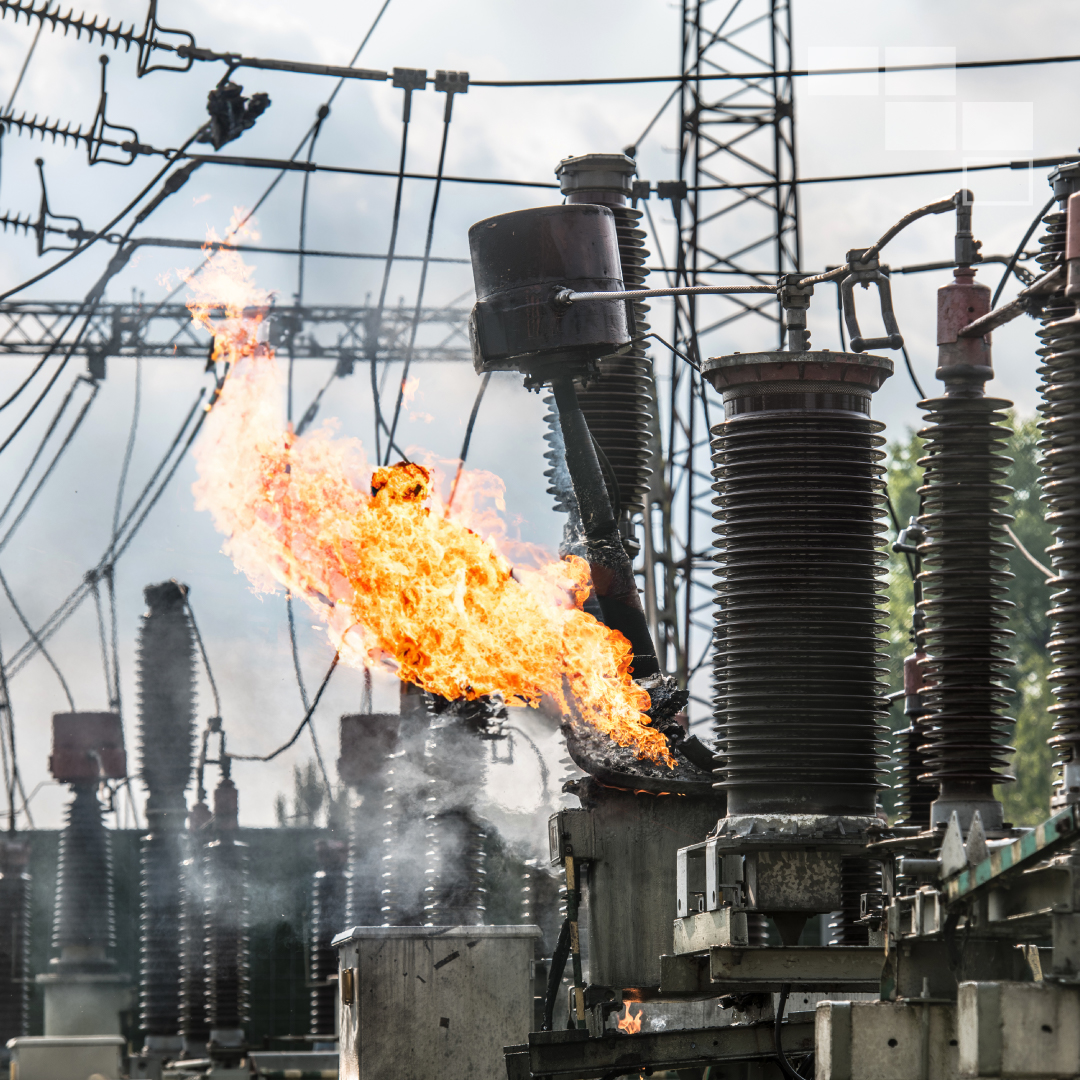
How Continuous Monitoring Helps Utilities Stretch Transformer Lifespan
January 19, 2026
Transformer procurement has entered a crisis state. Lead times now stretch beyond five years, and rising costs are compounding the pressure on already constrained capital budgets. At the same time, many utilities are observing a troubling trend: modern transformers, built for efficiency and cost optimization, are not always matching the long-term durability of legacy units still reliably operating after four or five decades. This dynamic is forcing asset managers to shift their focus from replacement planning to strategic life extension. And that shift begins with visibility.
Choosing the Right Monitoring System: A Strategic Guide for Utility Decision-Makers
January 12, 2026
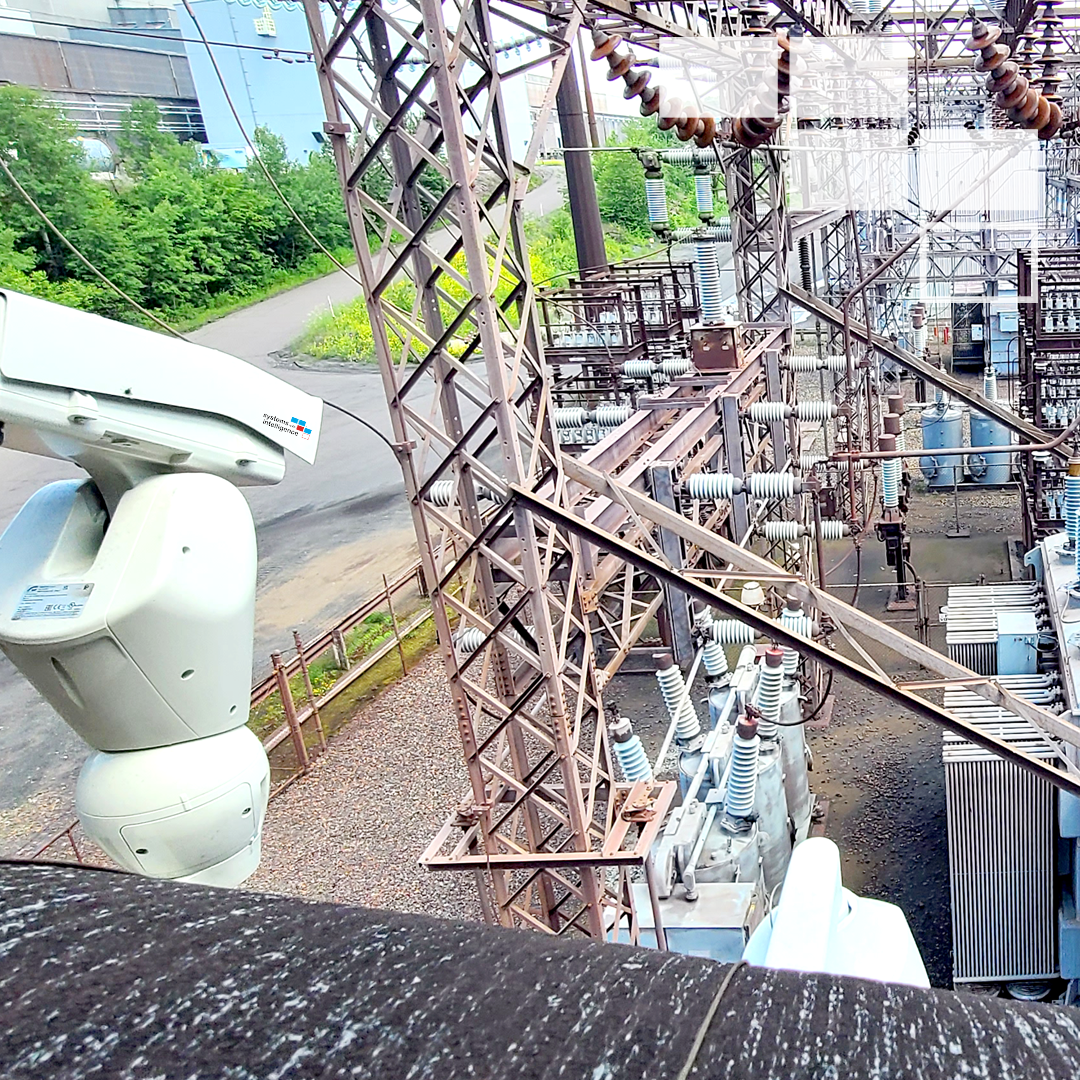
As utilities adapt to a grid that is increasingly decentralized, digital, and dynamic, the need for better visibility into asset performance has become non-negotiable. The era of scheduled inspections and reactive maintenance is ending, and continuous monitoring is emerging as the new standard for ensuring reliability, safety, and operational efficiency.
Protecting Battery Energy Storage Systems Through Continuous Monitoring
December 15, 2025
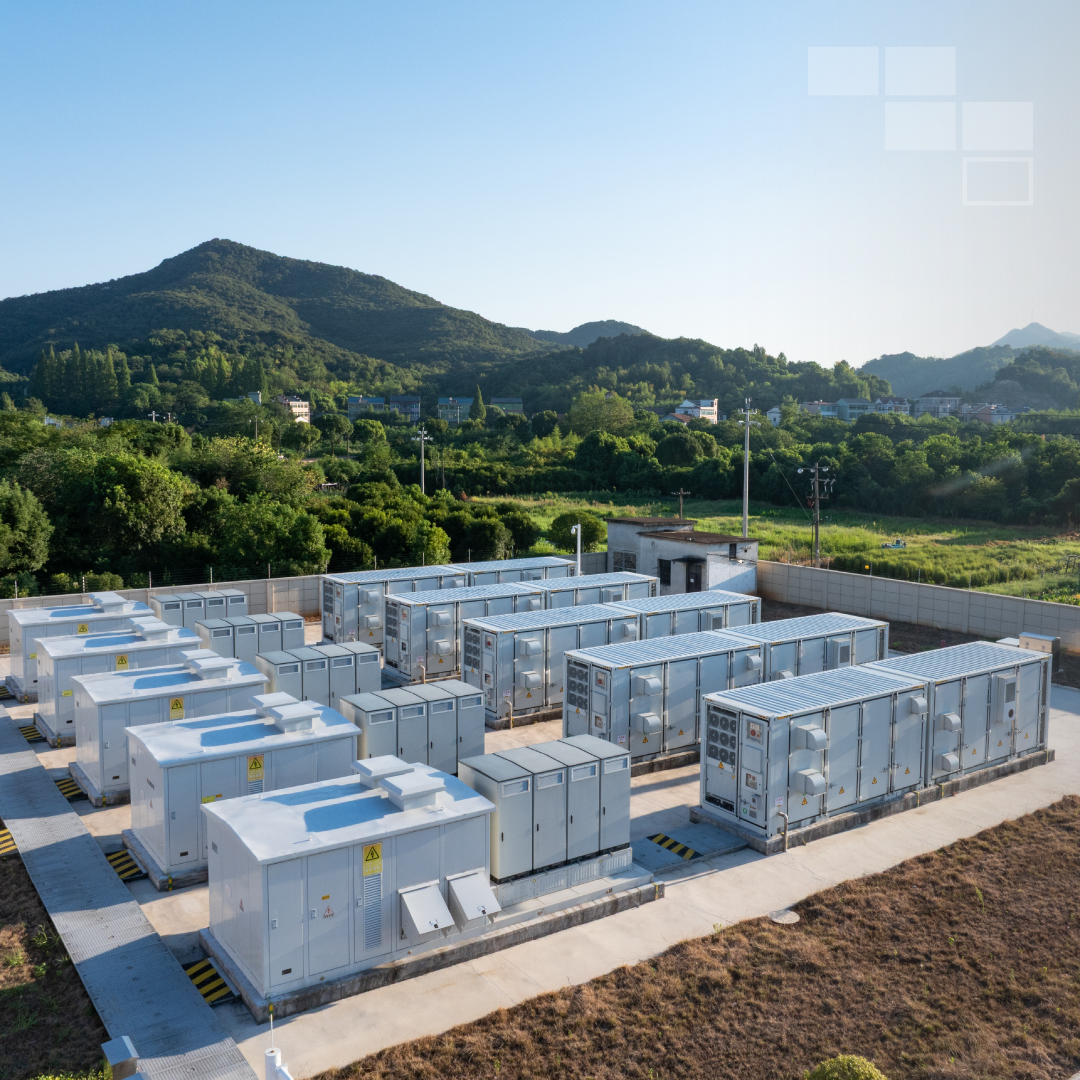
Battery Energy Storage Systems (BESS) have become the cornerstone of the modern, flexible grid. They enable utilities to store renewable energy, balance demand, and stabilize supply. As the grid transitions toward cleaner, distributed resources, energy storage is critical to maintaining reliability and efficiency. Yet with this opportunity comes new risk.
How Continuous Monitoring Builds the Foundation for Grid Intelligence
December 8, 2025
Artificial intelligence is transforming the utility industry, promising predictive maintenance, self-healing grids, and optimized asset performance. But there’s one critical reality that often gets overlooked: AI can’t see what you can’t measure.

The Six Building Blocks of the Intelligent Grid
December 1, 2025
Modern utilities are evolving fast, moving beyond reactive maintenance toward predictive, autonomous operations. This blog explores the six building blocks of the intelligent grid, a roadmap that helps utilities harness real-time data, automation, and AI to transform performance and reliability.

Celebrating 15 Years of Vision, Innovation and Purpose at Systems With Intelligence
November 20, 2025
This year marks the 15th anniversary of Systems With Intelligence (SWI), a remarkable journey that began with a vision, a problem worth solving, and a small team of engineers who believed there had to be a better way to monitor and maintain critical utility infrastructure.

The Cost of Waiting: Why Continuous Monitoring Delivers ROI Today
November 10, 2025
Many utilities view continuous monitoring as a future upgrade. But the truth is, it's already delivering measurable returns across the industry. This blog shows how delaying deployment leads to higher costs, greater risk, and missed opportunities to modernize.

Start Small, Scale Smart: A Phased Approach to Continuous Monitoring and Grid Intelligence
November 3, 2025
Predictive maintenance is no longer an abstract goal, it's a practical reality. This blog outlines how utilities are phasing in continuous monitoring solutions with a scalable “crawl, walk, run” roadmap. Learn how to start small, build value, and position your utility for grid intelligence.
How Continuous Monitoring Protects the Modern Grid
October 27, 2025
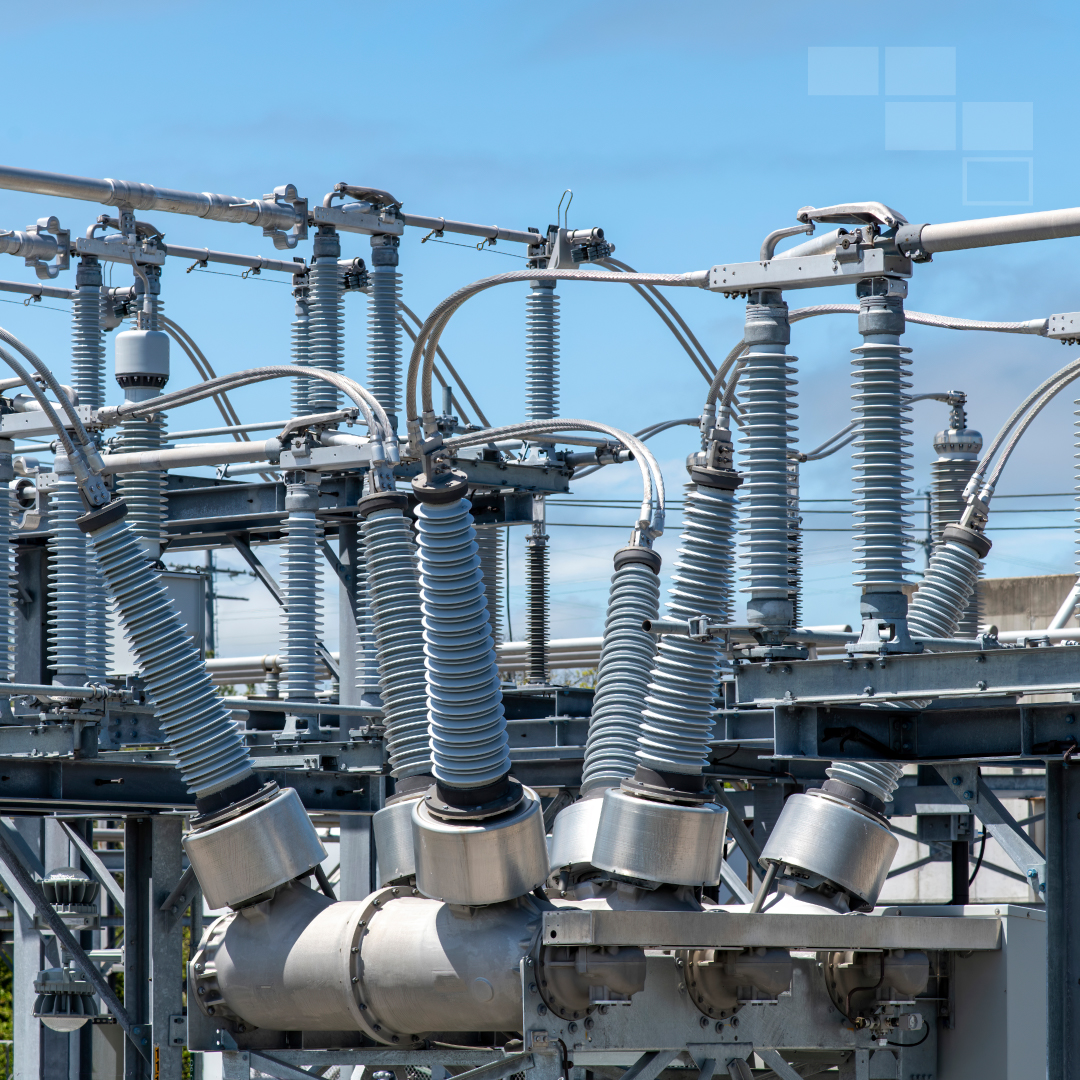
Traditional thermal inspections only provide a momentary snapshot of asset health. In today’s complex and aging grid, that’s no longer enough. This blog explores why utilities are moving toward continuous monitoring to reduce operational risk, improve reliability, and enable proactive maintenance.

What Does it Mean to Modernize Grid Operations in the IoT Era?
October 20, 2025
The grid is a dynamic, distributed platform with rising expectations for resilience, efficiency, and adaptability. Transmission and distribution (T&D) utilities now operate in a landscape shaped by increasingly volatile weather events, workforce constraints, aging infrastructure, and mounting pressure to integrate renewable generation.