Blog
5 Common Fire Hazards in Lumber and Wood Processing Facilities
April 27, 2026
The lumber and wood processing industry operates in a uniquely combustible environment. Between the fine wood dust in the air, the flammable nature of raw materials, and the high-heat demands of heavy equipment, these facilities face elevated fire risk at nearly every turn.

Facing the Perfect Storm: How Utilities Are Managing Grid Stress with 24/7 Monitoring
April 20, 2026
The utility industry is facing a perfect storm of escalating risks: climate volatility, workforce attrition, and increasingly complex grid demands. Climate volatility is increasing outage risk across all regions. Workforce attrition is draining institutional knowledge. And rising renewable penetration is pushing power flows far beyond what traditional systems were designed to handle. This is why utilities can no longer rely solely on time-based maintenance schedules and reactive operations.

Giving Back: The SWI Team Volunteers at Toronto’s Out of the Cold Program
April 13, 2026
At Systems With Intelligence, we believe that building smarter systems goes hand in hand with the communities we are part of. Recently, a group of SWI team members and their families, rolled up their sleeves and spent a Friday evening volunteering at the Toronto Out of the Cold program, hosted at Danforth Multifaith Commons in the east end of the city. It was an evening that reminded all of us what community truly means.. The evening was organized and inspired by Rafael Losinski, who has volunteered with the program for over a decade.

From Substations to Steel Plants: Extending Touchless™ Monitoring to Industrial Applications
March 30, 2026
For years, we've worked shoulder-to-shoulder with electric utilities to change how they monitor and maintain critical infrastructure. The shift from periodic, calendar-based inspections to continuous Touchless™ Monitoring has given utilities something they didn't have before: early warnings when problems are just starting to develop, safer conditions for crews in the field, and a much clearer picture of what's actually happening with their assets.

How Thermal and Visual Cameras Redefine Critical Vessel Monitoring
March 16, 2026
In petrochemical and refining operations, critical vessels such as reformers, reactors, and pressurized tanks play an essential role in day-to-day performance and long-term safety. These vessels often contain volatile substances under extreme conditions, and failure is not an option.

Stopping Transformer Failures Before They Start with Predictive Monitoring
March 2, 2026
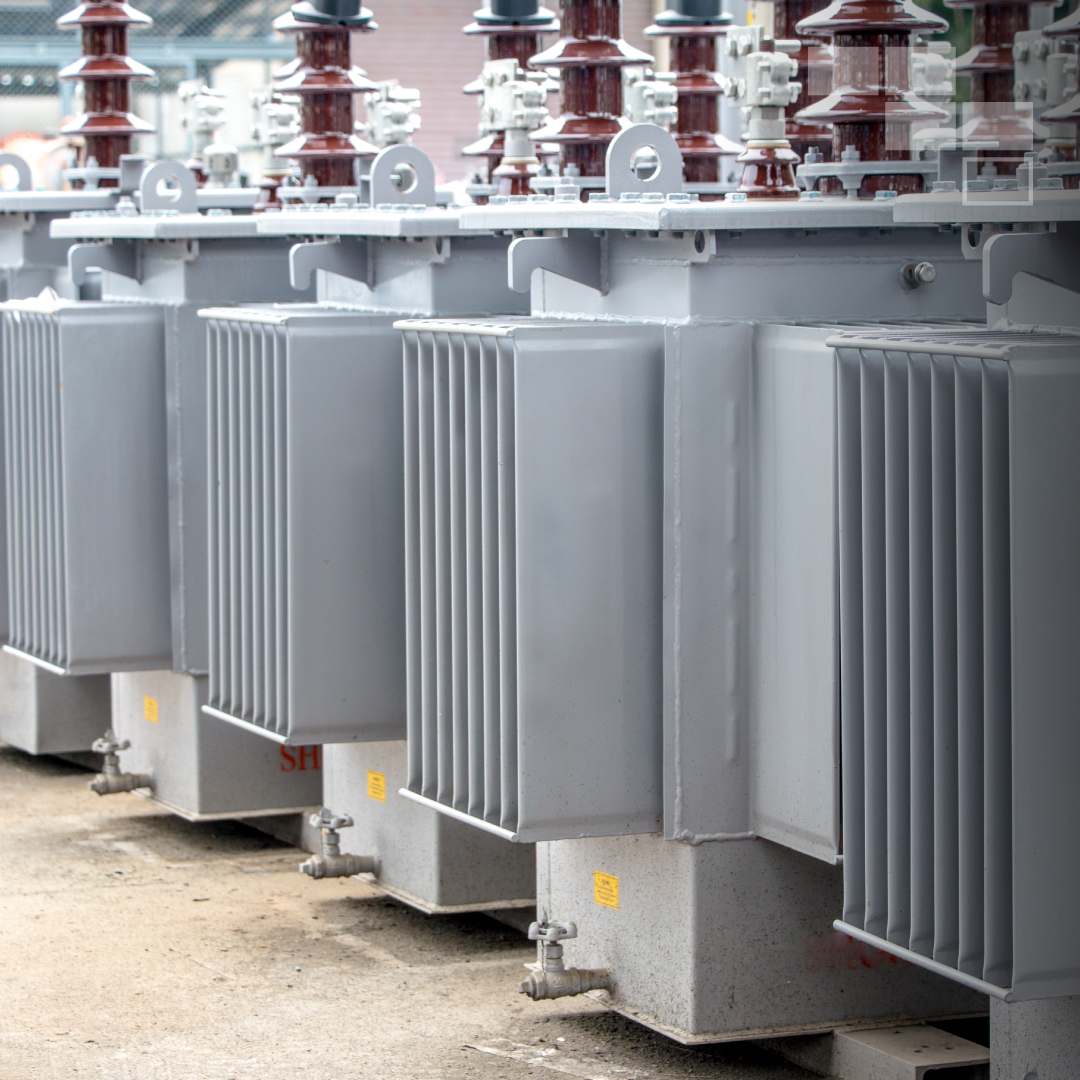
For decades, unplanned transformer failures have been accepted as an unfortunate part of utility operations. Whether due to thermal stress, internal insulation breakdown, or undetected degradation, these failures can cause outages, damage infrastructure, and trigger emergency response protocols that cost millions.

From Reactive Repairs to Predictive Maintenance: The Case for CBM in Industrial Facilities
February 23, 2026
Industrial facilities run on complex equipment that doesn't get to take breaks. Motors, pumps, compressors, electrical panels, and production machinery; most of it operates around the clock under heavy load and tough conditions. When something fails unexpectedly, you're looking at loss of production, safety incidents, and repair timelines that never seem short enough.
Modernizing Flare Stack Monitoring: Why Legacy Tools No Longer Measure Up
February 9, 2026
Flare systems are a critical component of industrial operations, and increasingly, a regulatory and reputational priority. Facilities across oil & gas, petrochemical, and other industrial sectors are under mounting pressure to ensure that their flaring activities meet strict environmental and safety standards.

The End of Scheduled Inspections: How Real-Time Monitoring Is Revolutionizing Substation O&M
February 2, 2026
For decades, utilities have scheduled substation maintenance like clockwork. Every 90 or 180 days, crews are dispatched to inspect assets, regardless of their condition. But this calendar-based model, once the industry standard, is no longer sustainable.

Why Risk-Based Replacement Is the Future of Grid Asset Management
January 26, 2026
Aging infrastructure, shrinking budgets, and escalating reliability demands are pressuring utility asset managers to do more with less. But the traditional approach to asset planning no longer meets the needs of today’s grid. As utilities face critical decisions on when to repair, replace, or defer investment, real-time data is emerging as a powerful tool for optimizing capital allocation and extending asset life.