

Some of the most critical assets in any operation sit in the most dangerous or inaccessible locations. Sending personnel into high-voltage substations, remote oil and gas facilities, underground vaults, or extreme-weather environments for routine inspections creates real safety risk and real cost. Systems With Intelligence’s remote monitoring technology puts continuous visibility into those environments without putting people in harm’s way.

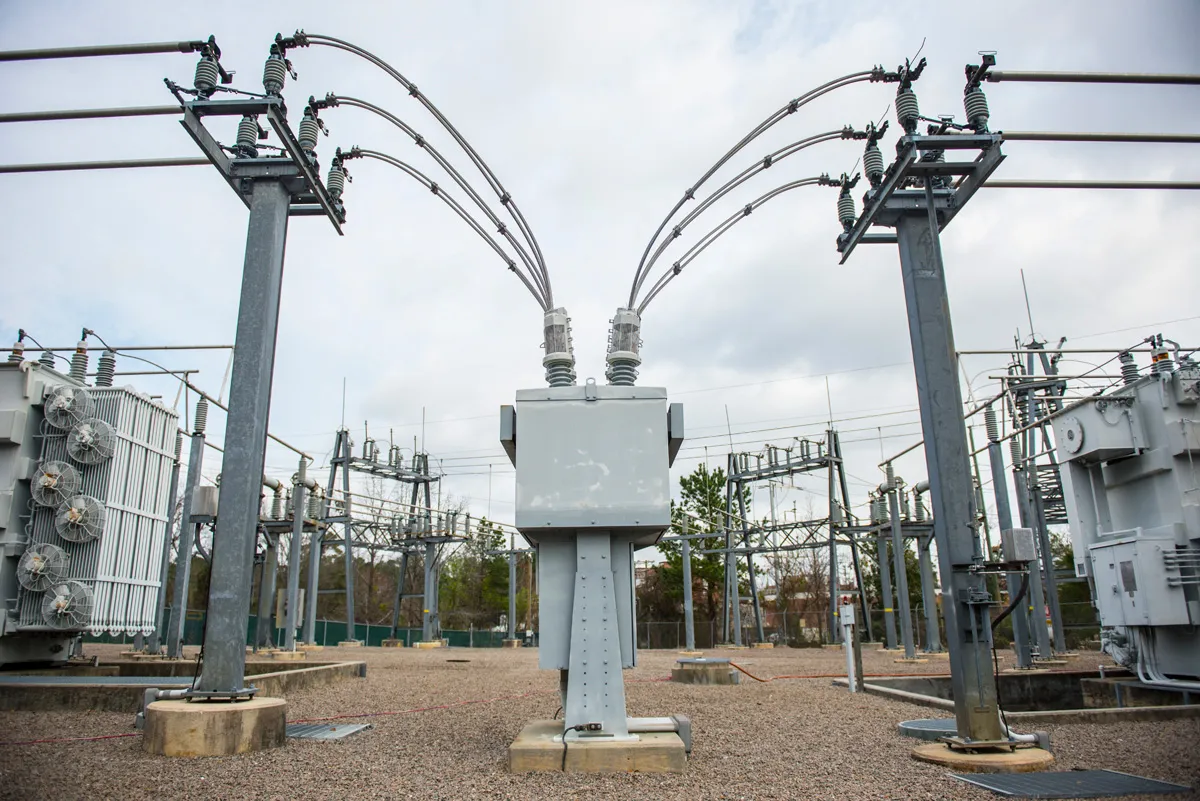
Monitoring in Hazardous Environments
Hazardous environments demand a different approach to monitoring. Manual inspections in high-voltage substations, remote pipelines, offshore platforms, and underground distribution systems expose personnel to serious risk, and the logistical cost of reaching these sites regularly adds up fast. For operations managing assets in locations like these, continuous automated monitoring isn’t just a convenience; it’s a safety and operational necessity.
SWI’s Touchless™ monitoring technology delivers that continuous visibility without requiring anyone to be on site. Thermal and visual data streams around the clock, automated analytics flag anomalies the moment they appear, and alerts reach operators through SCADA, APM, or email, so your team stays informed, and your personnel stays safe.
How It Works
SWI’s thermal sensors and high-performance cameras deliver continuous monitoring of remote and hazardous sites, streaming real-time thermal and visual data to a centralized dashboard accessible from anywhere. Operators confirm site conditions, inspect live equipment, and respond to anomalies without deploying personnel.
For sites hours away from the nearest maintenance team, this level of remote visibility changes the economics of asset management entirely. Travel time, vehicle costs, and the safety risks associated with site visits all decrease significantly when continuous monitoring handles routine oversight automatically.
How It Works
Our monitoring systems continuously evaluate thermal and visual data against asset-specific baselines, automatically detecting anomalies and issuing alerts the moment a threshold is exceeded. Notifications reach operators through email, SCADA, or APM platforms, so response times stay fast regardless of where your team is located.
At remote and hazardous sites, speed of detection matters more than almost anywhere else. Catching a developing fault early at a remote oil and gas facility or an underground vault gives operators the time to plan a safe, coordinated response rather than reacting to an emergency.
How It Works
Operating in hazardous environments requires hardware that won’t fail when conditions get difficult. SWI’s extreme environment monitoring equipment is HazLoc rated for use in areas where potential combustion exists and built to operate across a wide temperature range of -40°C to +85°C. Fiber connectivity provides EMI immunity in high-voltage electrical environments, and dual redundant power supplies keep systems running without interruption.
This level of specification isn’t incidental—it reflects SWI’s focus on the industries and the demanding conditions its customers operate in every day. Standard industrial hardware simply isn’t built for these environments, and SWI’s technology is.

Remote Monitoring Keeps Personnel Safe and Operations Running
Every unnecessary site visit to a hazardous environment carries risk. High-voltage substations, remote oil and gas facilities, and underground infrastructure all present real dangers to the personnel who enter them. Beyond the safety exposure, the logistical cost of routine inspections at distant sites—travel time, vehicle resources, and the productivity lost while technicians are in transit — adds up to a significant operational burden over time.
Continuous remote monitoring eliminates the need for most of those visits entirely. SWI’s technology watches remote and hazardous assets around the clock, reserving on-site visits for the situations that genuinely require human intervention, and giving teams the information they need to arrive prepared when they do.

Continuous Remote Monitoring Keeps Your People Safe and Your Assets Protected
SWI’s remote and hazardous environment monitoring technology gives operators continuous visibility into the sites that are hardest and most dangerous to reach, reducing personnel exposure, cutting the cost of routine site visits, and keeping critical assets under watch around the clock.
Get in touch with our team today and find out what the right remote monitoring setup looks like for your operation.