

Systems With Intelligence’s thermal imaging and heat detection technology gives operators continuous, automated visibility into the thermal condition of their most critical assets. Infrared sensors track surface temperatures around the clock, detecting hotspots and anomalies that are invisible to the naked eye, and issuing alerts long before a developing fault becomes a failure.

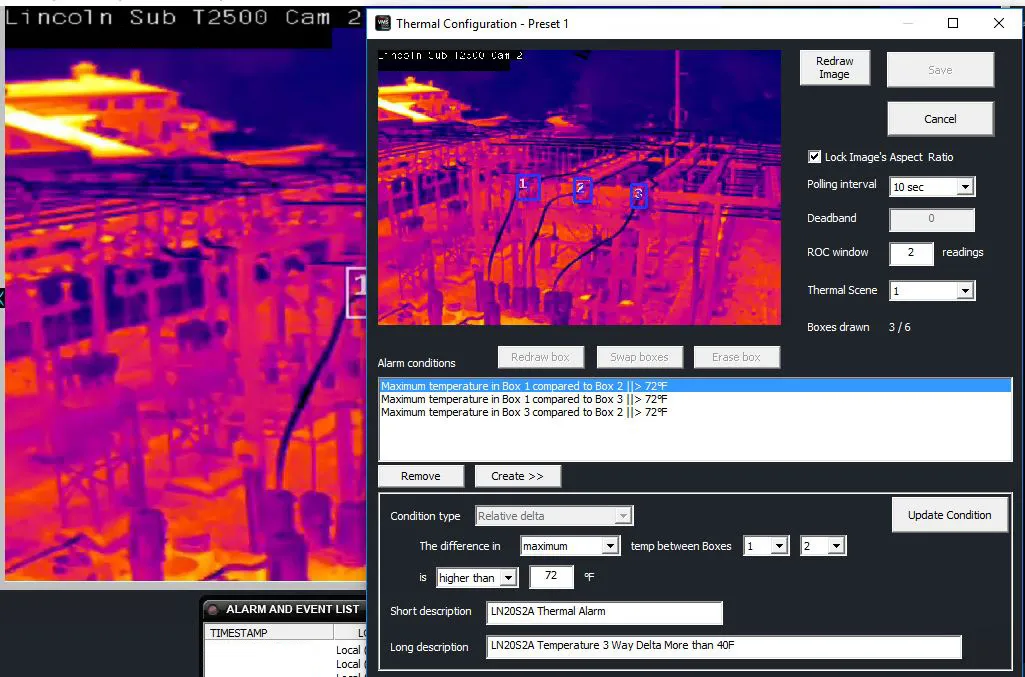
Continuous Thermal Imaging & Heat Detection for Critical Assets Across the Globe
Heat is one of the most reliable early indicators of a developing fault. A loose connection, degrading insulation, an overloaded circuit, a bearing running hot: all of these conditions produce a thermal signature well before they cause a visible problem or trigger a failure.
The challenge with traditional inspection is that thermal spot checks only capture a single moment in time, and many faults only appear under specific load conditions or at specific times of day. SWI’s continuous thermal imaging technology watches your assets around the clock, trending temperature data over time and issuing automated alerts the moment an anomaly is detected.
Your team gets the information they need to act, all without waiting for the next scheduled inspection or sending personnel into a hazardous environment.
How It Works
SWI’s infrared sensors monitor the surface temperatures of critical assets continuously, building a thermal baseline for each asset and flagging deviations automatically. When a hotspot is detected, alerts are issued immediately through email, SCADA, or your APM platform.
Unlike periodic thermal checks, continuous monitoring captures temperature changes as they develop. This makes it possible to detect faults that would otherwise go unnoticed between inspections and to trend asset health over weeks, months, and years.
How It Works
SWI’s thermal monitoring systems include embedded analytics that automatically evaluate temperature data and identify anomalies based on configurable thresholds and asset-specific parameters. This means alerts are generated based on intelligent analysis, not just raw temperature readings.
Operators receive actionable information rather than a flood of raw data; knowing not just that a temperature has changed, but that a specific asset has exceeded a meaningful threshold and needs attention.
How It Works
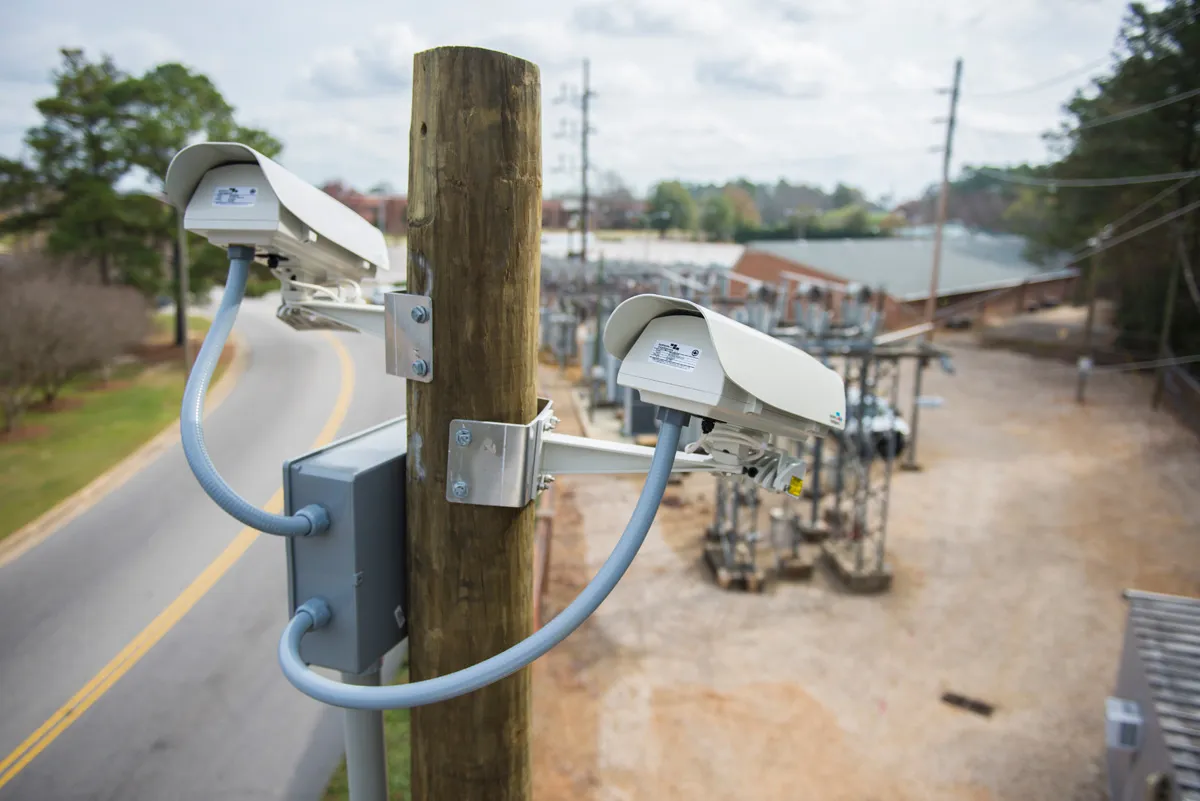
Our thermal imaging hardware is utility-grade and purpose-built for harsh environments, with operating temperatures ranging from -40°C to +85°C, IP66 weather rating, and fiber connectivity for EMI immunity. Every sensor is IEC61850-3 and IEEE 1613 certified for operation in electrical substations and industrial facilities.
This level of certification matters. Off-the-shelf thermal cameras are not designed for the electrical noise and environmental conditions found in utility substations. SWI’s sensors are engineered specifically for these environments, delivering reliable performance where commercial grade equipment falls short.
The Problem With Periodic Thermal Inspections
Scheduled thermal inspections have real limitations. A technician visiting a substation every 90 days captures a single snapshot of asset health, and only under whatever load conditions happen to exist at that moment.
Faults that develop between visits, or that only manifest under peak load conditions, go completely undetected. By the time the next inspection rolls around, the window to intervene early may already have passed. Continuous thermal monitoring eliminates this gap entirely.
With SWI in place, every asset is under watch at all times, capturing the thermal events that periodic inspections miss and giving operators the data needed to make proactive, condition-based maintenance decisions rather than reactive ones.
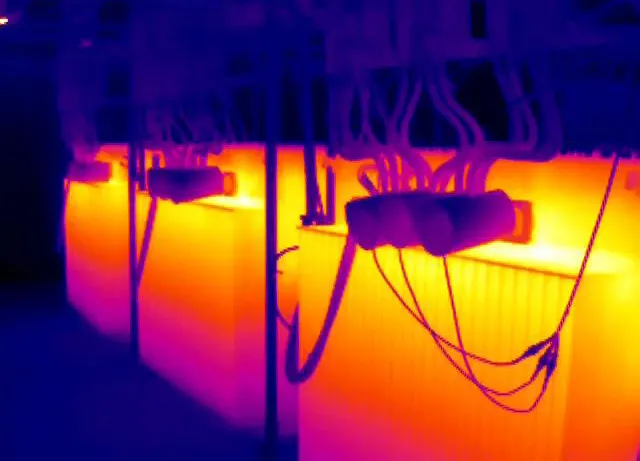
Ready to See What Your Assets Have Been Trying to Tell You?
SWI’s continuous thermal imaging technology gives operators the early warning they need to protect critical assets, reduce unplanned downtime, and make smarter maintenance decisions.
If your current inspection approach leaves gaps, we can help close them. Get in touch with our team to find out what the right thermal monitoring setup looks like for your operation.